
Bank Reconciliation Errors: Why Your Numbers Never Seem to Match
Your bank balance says one figure. Your accounting software says another. If this feels like a familiar, frustrating pattern in your business
Expert insights on AI, outsourcing, and accounting innovation
Your bank balance says one figure. Your accounting software says another. If this feels like a familiar, frustrating pattern in your business

For many Australian business owners, month-end is dreaded before it even arrives. What should be a routine process

If your profit and loss statement looks healthy but your bank account tells a different story, you're not alone. It's one of the most common

Making sales is only half the job — getting paid for them is the other. For many Australian businesses, accounts receivable (AR) is where cash flow problems quietly begin.

For many Australian wholesale distributors, growth doesn’t fail because demand drops. It stalls because cash can’t keep up. Orders increase, stock commitments rise, and supplier payments come due—while customer payments lag behind.
If sales are up but cash still feels tight, you’re not alone. Many Australian SMEs and mid-sized businesses hit this exact frustration: revenue looks strong on paper, yet the bank balance doesn’t reflect it.

If sales are up but cash still feels tight, you’re not alone. Many Australian SMEs and mid-sized businesses hit this exact frustration: revenue looks strong on paper, yet the bank balance doesn’t reflect it.

For a lot of Australian founders, the hiring strategy that worked at $2–$5m revenue starts breaking at $8–$20m. Not because the business is failing—because it’s growing. Workload spikes, processes strain, and suddenly every new hire feels urgent, expensive, and hard to retain.

Many Australian businesses assume better visibility requires a new system, a new ERP, or a major finance transformation. In practice, the most common visibility issues come from something simpler: the finance workflow feeding your system isn’t consistent.
If your business runs multiple entities, intercompany reconciliation can become the task that never truly finishes. Balances don’t match, timing differences keep rolling forward, and month-end close slows while teams chase explanations across emails and spreadsheets.

If your business operates across multiple entities, month-end close can feel like a recurring negotiation: chasing inputs, resolving intercompany breaks, and trying to produce reporting you can actually rely on.
If you’re running a growing Australian SME, finance often starts as “someone internally can handle it.” Until it can’t.Invoices pile up, month-end drags, reports arrive late, and cash flow feels harder to predict than it should. The business keeps moving—finance becomes the bottleneck.
If reporting is always “a few days away”, it’s rarely a reporting issue. For many Australian SMEs, the real cause sits inside the back office finance function—where invoices, approvals, reconciliations, and exceptions either move consistently or quietly pile up.
Month-end should be a routine. For many growing Australian businesses, it turns into a rolling deadline—reports arrive late, numbers change after they’re issued, and leaders lose confidence in what they’re seeing.
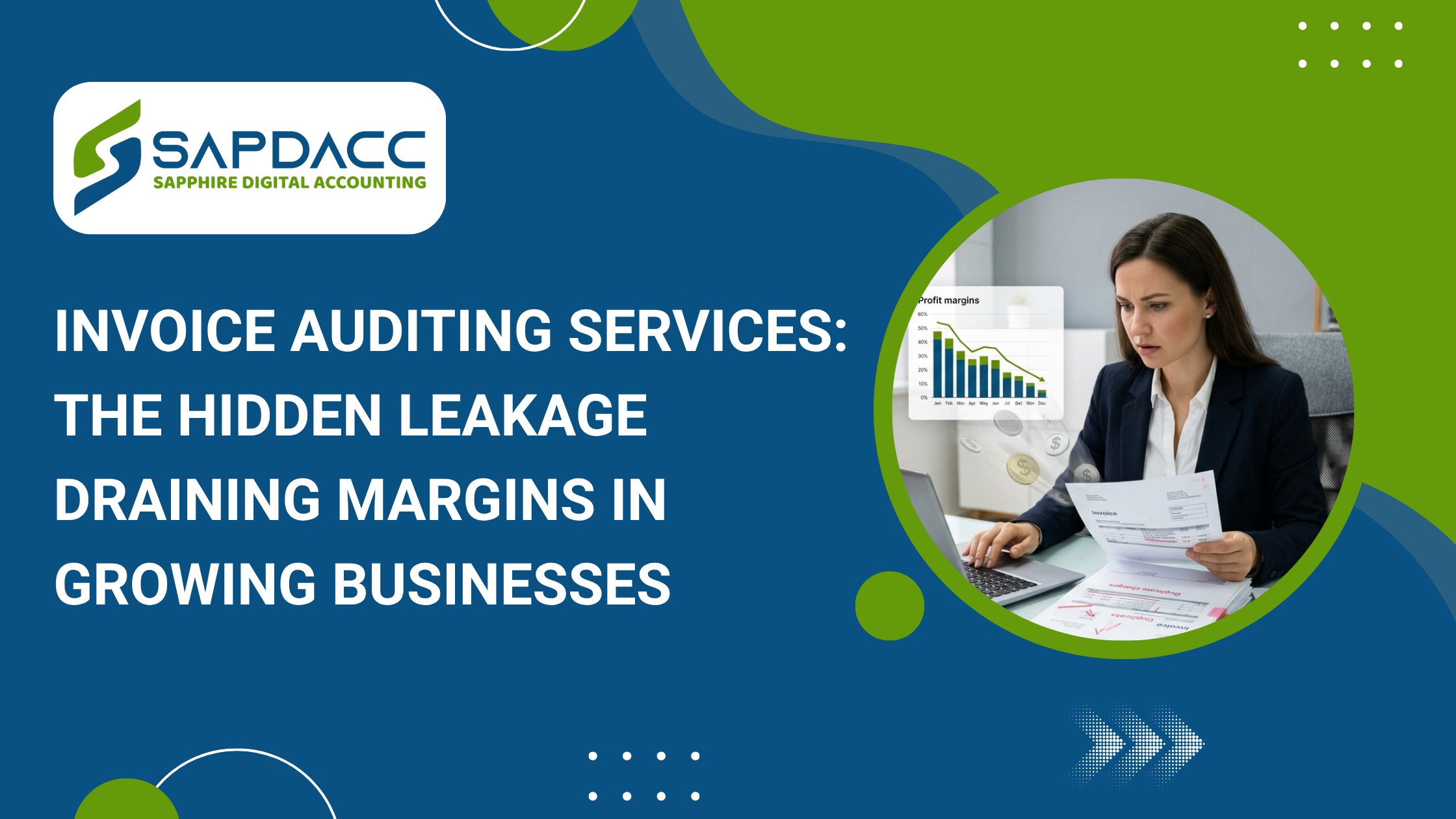
If your business is growing, your invoice volume usually grows even faster. More suppliers, more approvals, more customer billing, more exceptions. And somewhere in that volume, small invoice errors start slipping through.
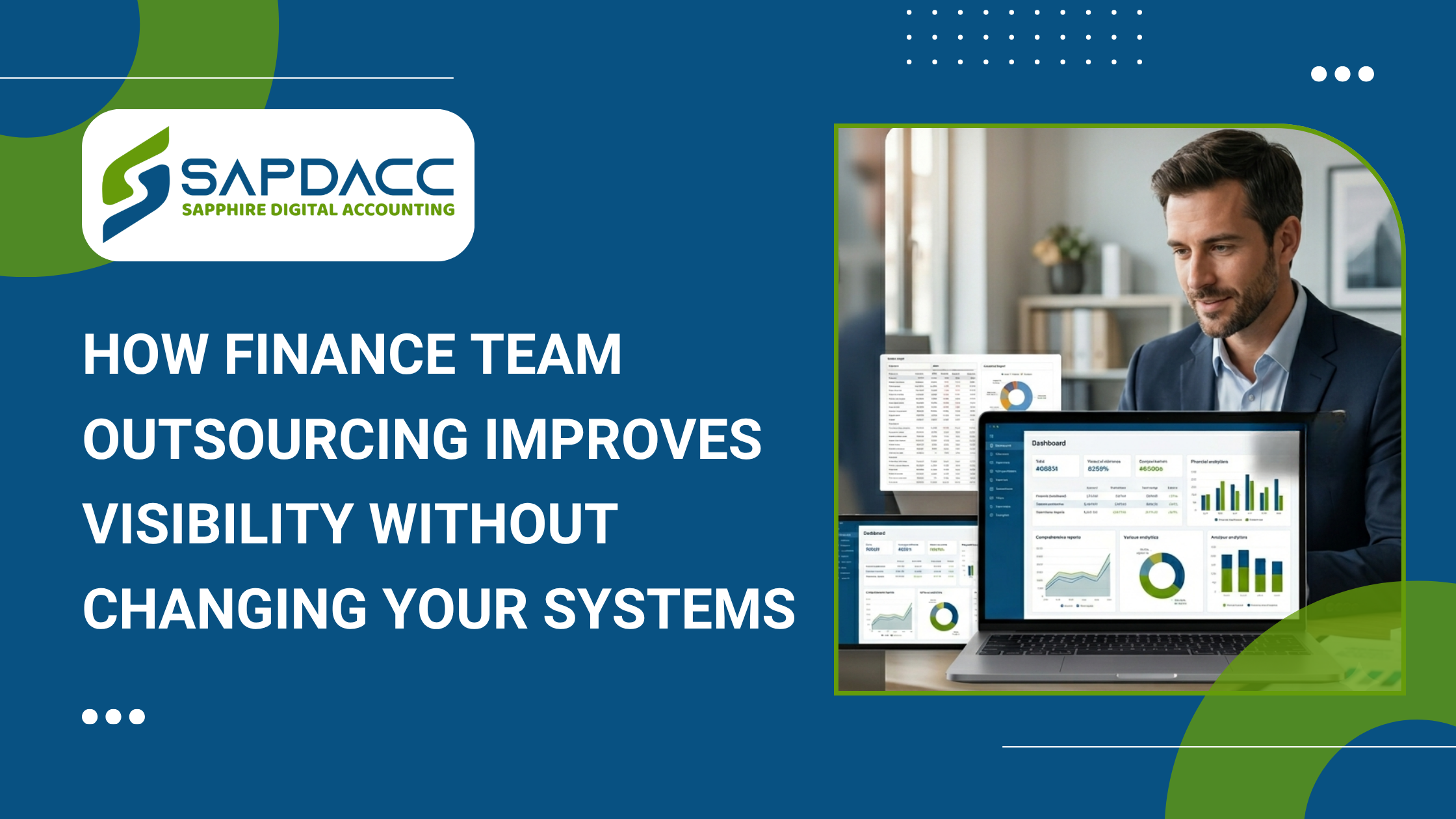
If you’re a growing Australian business, you’ve likely heard the same advice: “upgrade your systems” or “implement a new ERP” to improve visibility. But most finance visibility issues don’t start with software. They start with inconsistent execution—AR/AP delays, reconciliations slipping, and month-end close stretching out.